The environmental impacts of armed conflicts in the Middle East
Ecological devastation as a military tactic dates back to ancient times, and today we can see examples of it in the broader set of military actions carried out by Zionist forces. In the Palestinian territories, there is an ongoing destruction of natural resources, with the aim of making life uninhabitable for Palestinians themselves. In particular, in addition to the enormous damage to agricultural land, the destruction of olive groves has become a daily reality of the occupation in the West Bank, while the olive tree has become a symbol of Palestinian resistance. Many have been uprooted, others have died due to lack of water, and some have been cut down.
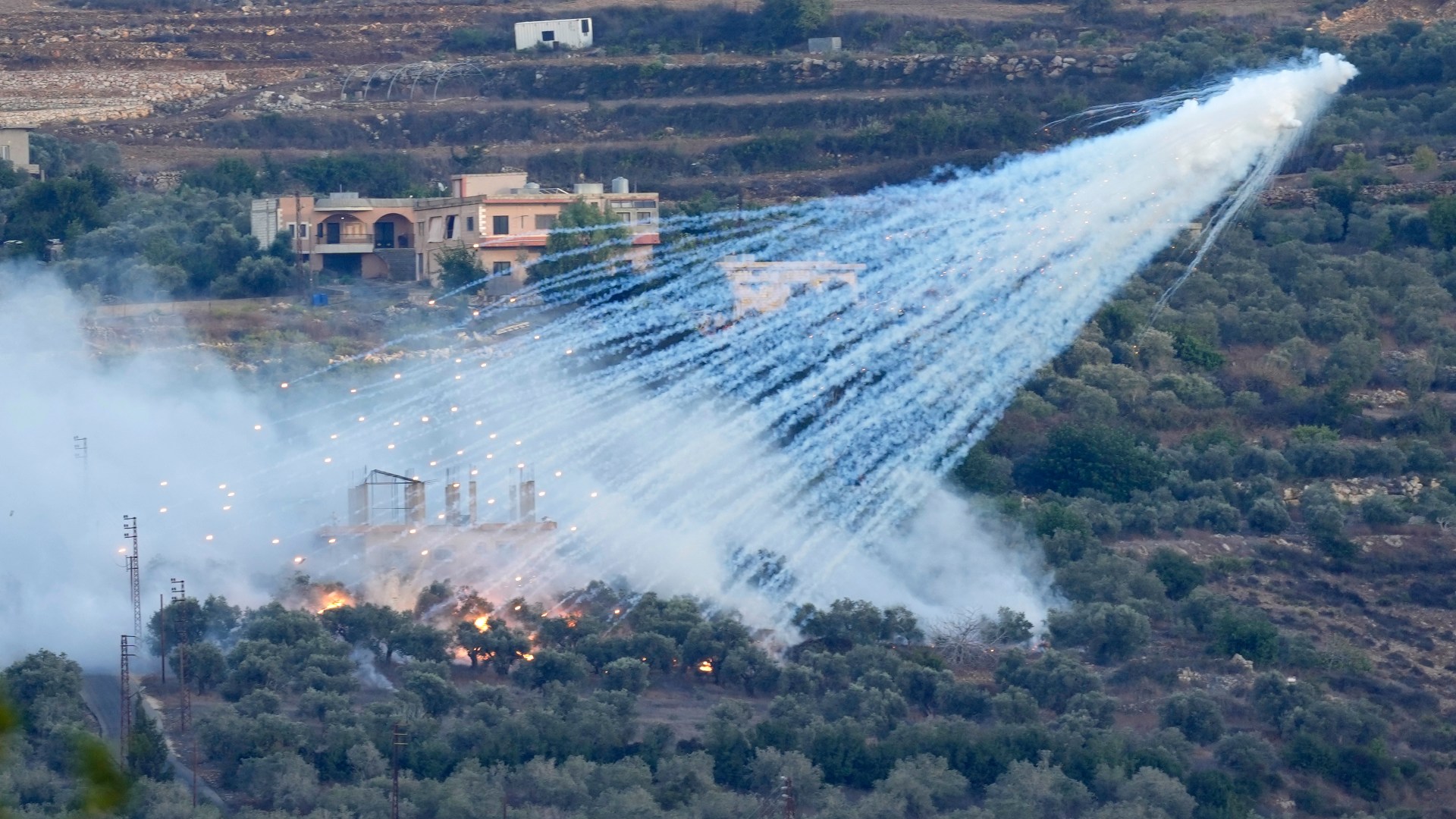
Lebanon has not been spared from this series of destructive operations. Israel has used white phosphorus (capable of poisoning the soil, making cultivation very difficult), gasoline, and bulldozers to uproot trees and destroy hectares of forests and pastureland. These strategies have both immediate and long-lasting effects, creating long-term contamination harmful to the population. The intent of this ecocide is said to be to target Hezbollah, but entire communities end up suffering the consequences. Environmental warfare is a central dynamic of the conflict. In Lebanon, it serves as a means of exerting control without formal annexation, making civilian life increasingly difficult. Maintaining forests, agriculture, and water resources strengthens the resilience of the population.
Much of the damage inflicted between Gaza and southern Lebanon has been deliberate. People’s lives are closely tied to the health of the land they inhabit, and the scale and long-term effects of the ecological damage caused will continue to make life difficult for these populations for decades. In these territories, agriculture represents the main source of livelihood for many families, and the post-war environment loses its ability to sustain human life.