
written by SOFIA DOLCI
photos by Elena Bassi
We take the opportunity of this International Day to speak about an issue that is becoming increasingly central: the recent shifts adopted by Europe in the management of migratory phenomena. An approach that appears increasingly oriented towards repressive instruments and that tends to treat migration as a matter of public order, rather than as a structural and necessary phenomenon that requires protection and safeguarding.
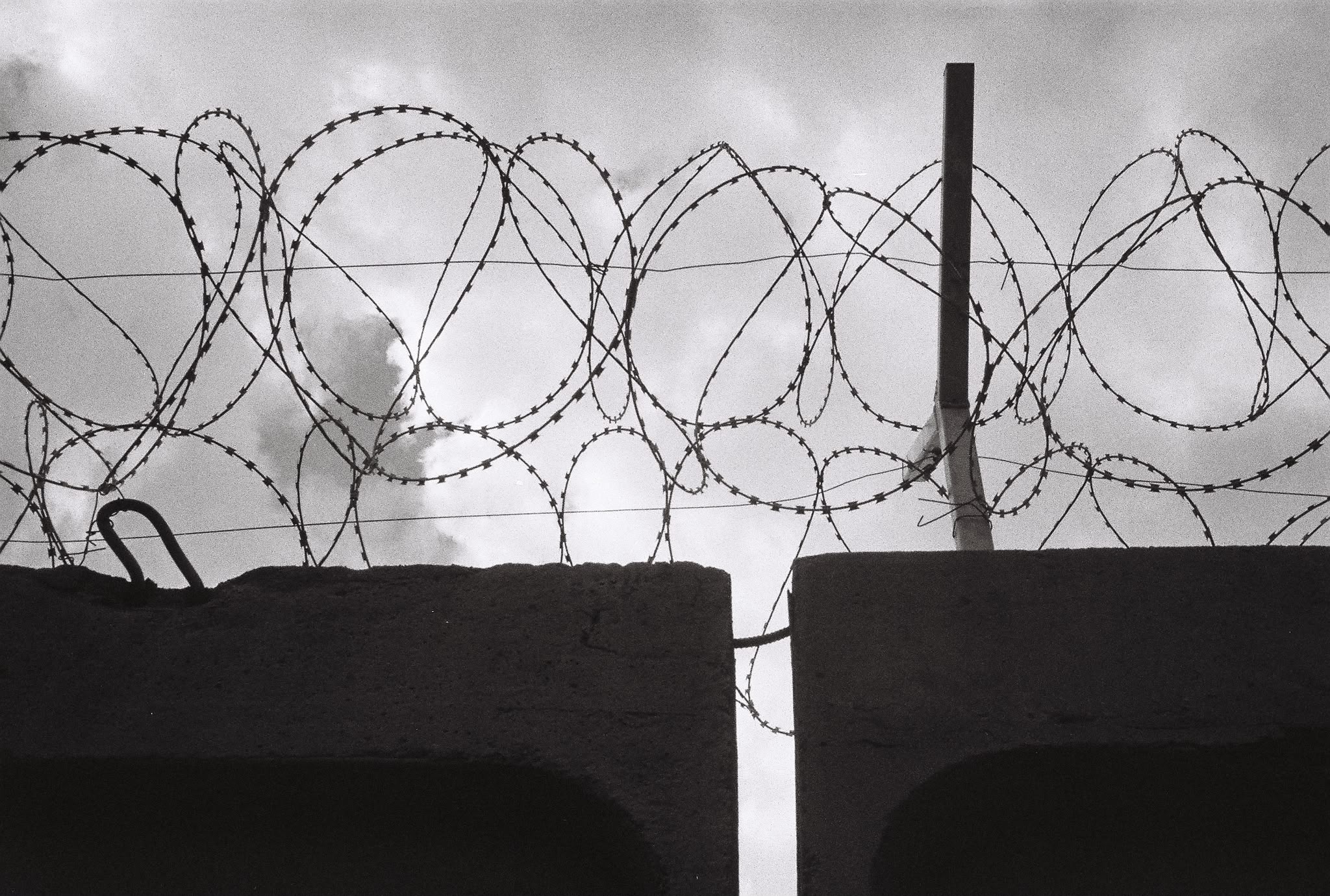
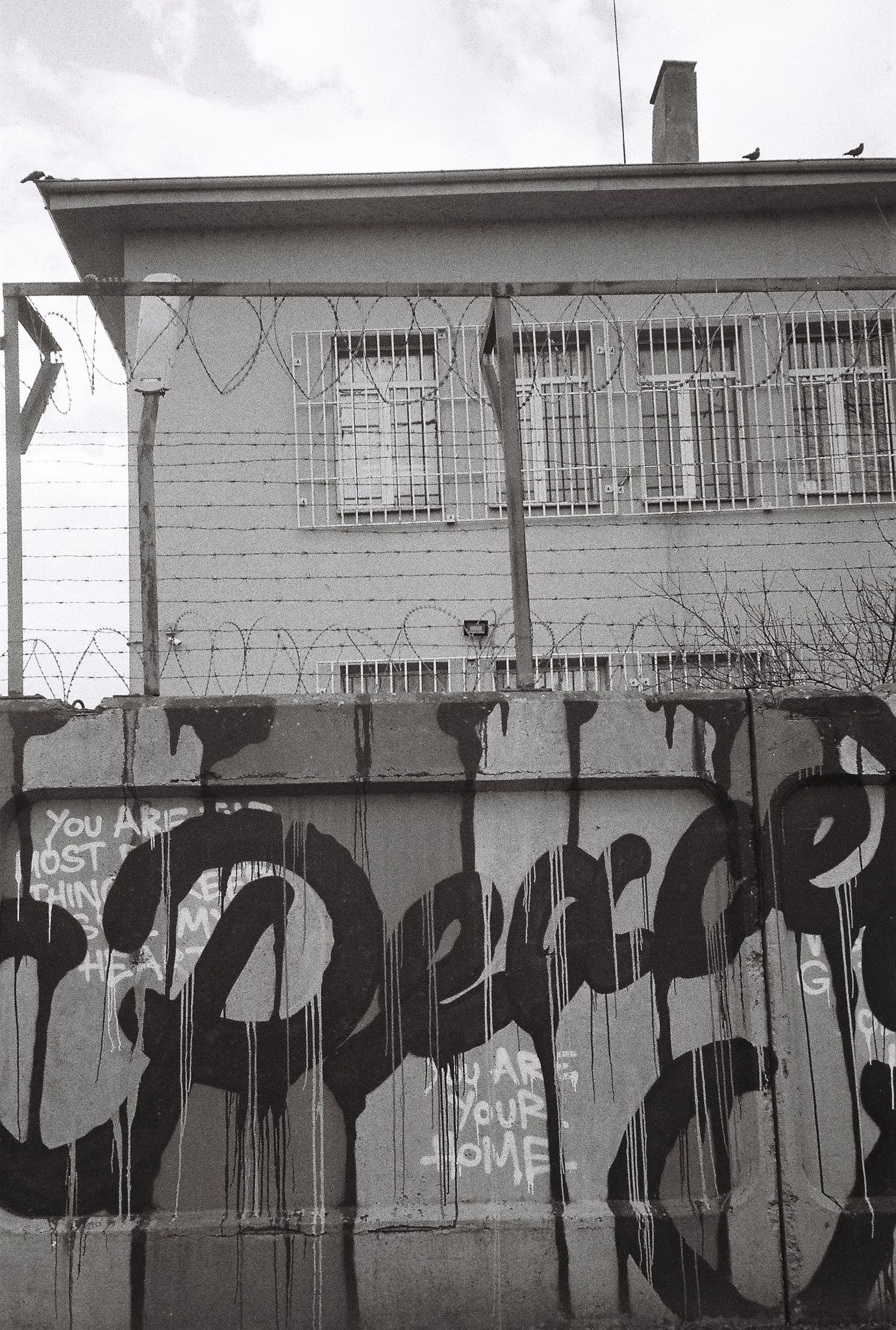
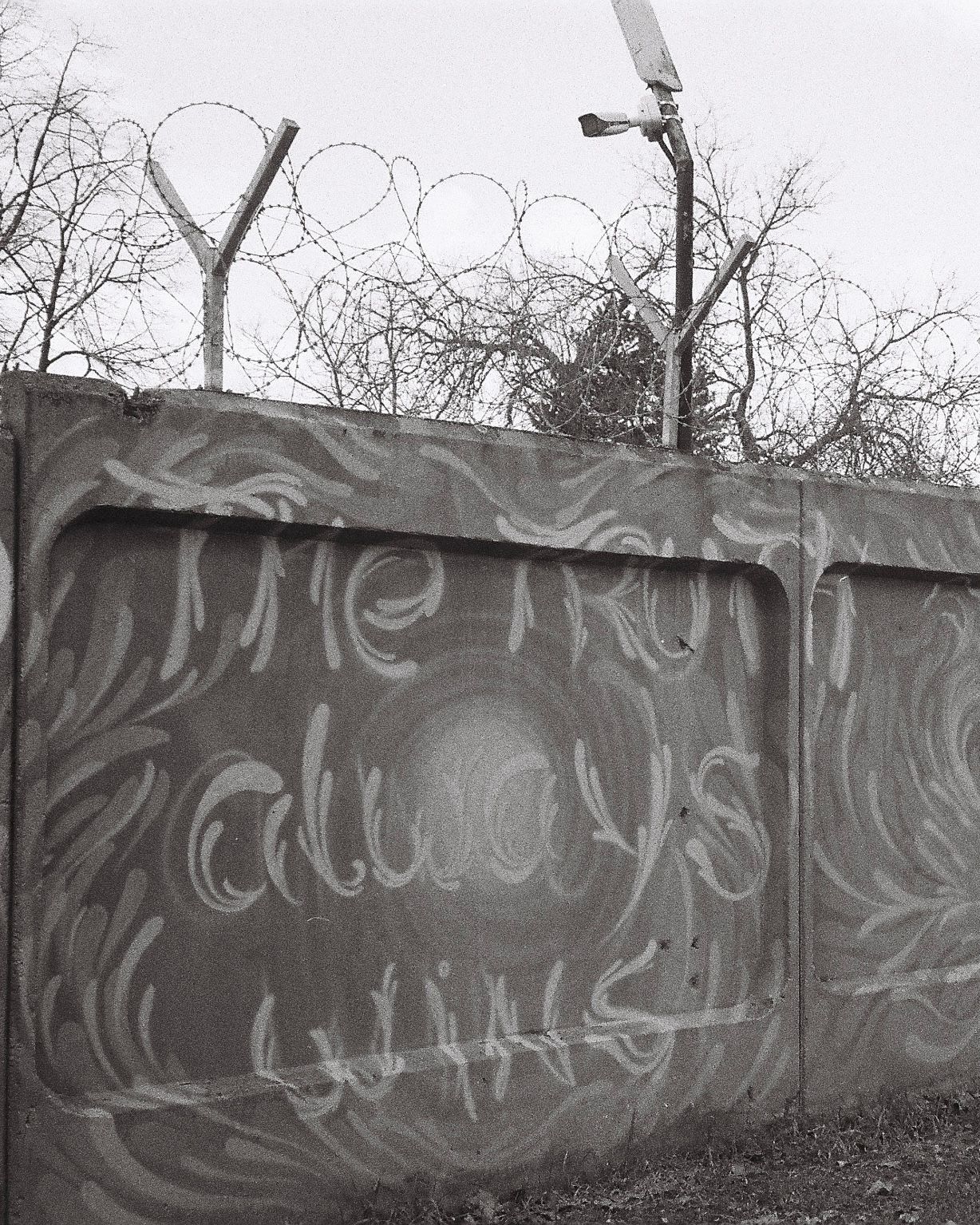
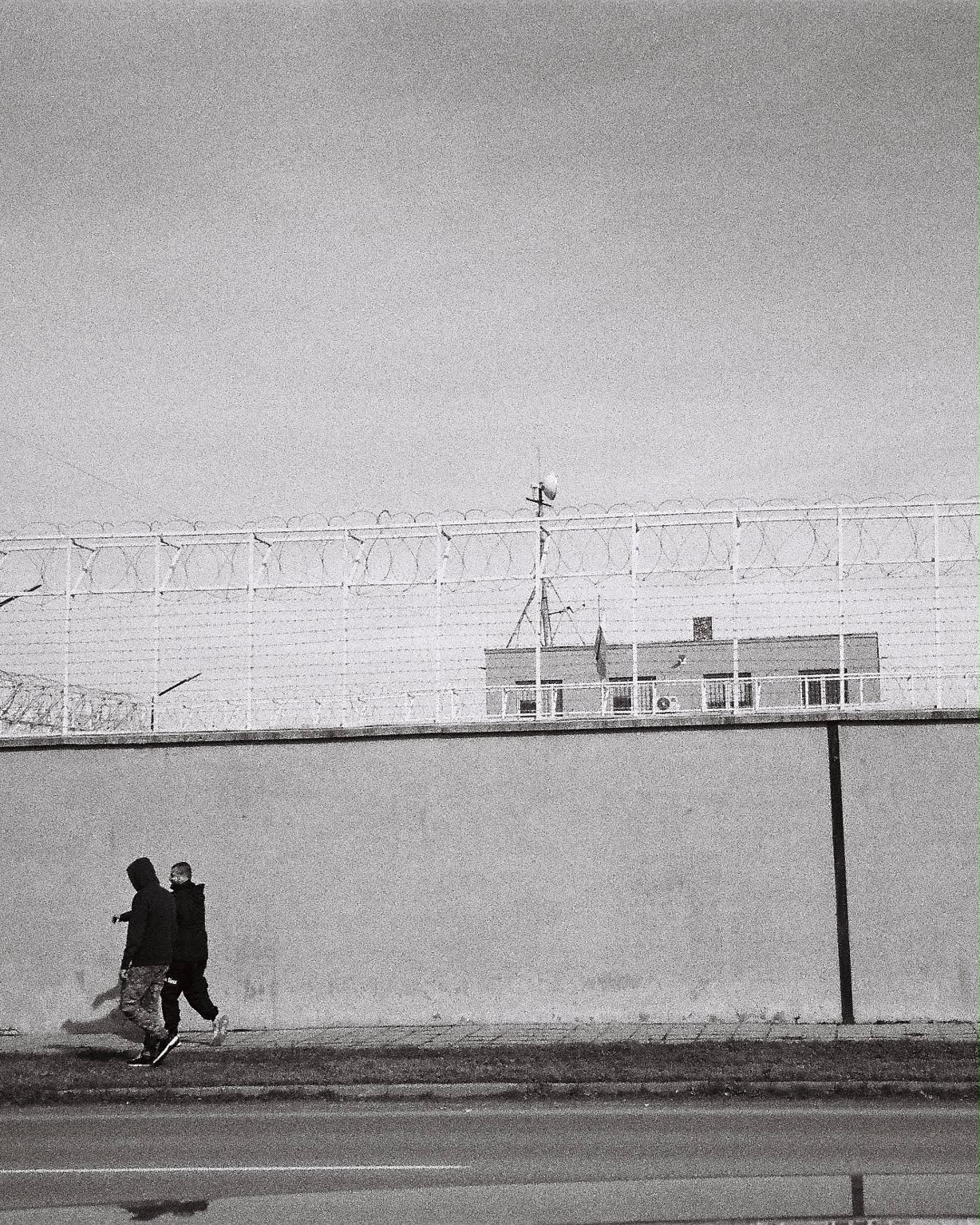
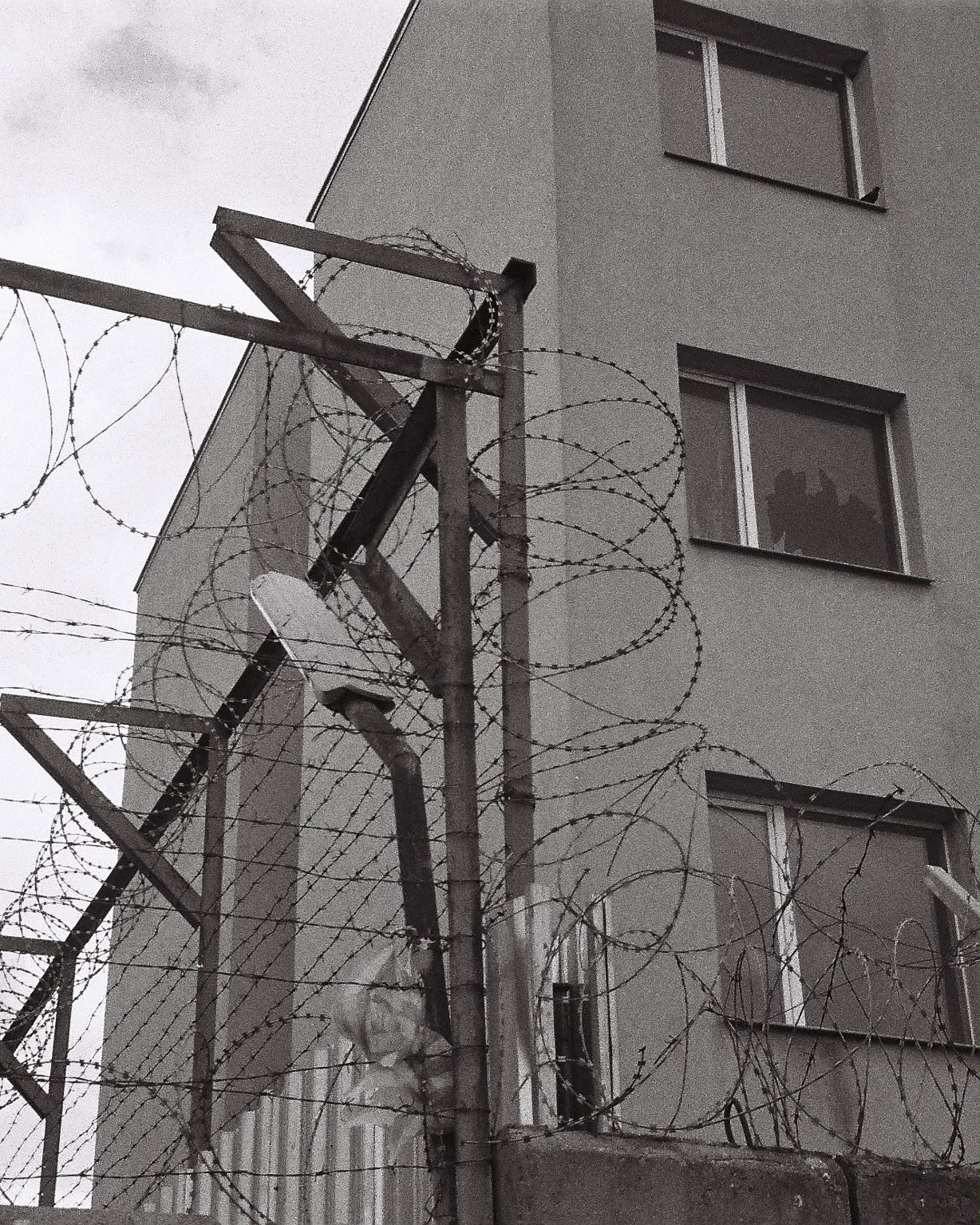
Due to the global climate of crisis and war, which fuels radical forms of populism and sovereigntism, we are witnessing a collective acceptance and habituation towards degrading and humiliating operations for those who are subjected to them, in an attempt to achieve the « containment » of the phenomenon of immigration in Europe. The logic of administrative detention is in fact becoming increasingly established, representing the final stage of migration policies aimed at the repression, criminalisation and marginalisation of migrant people. A logic that considers migration not as a social, economic and political phenomenon to be governed with respect for rights, but as a public order issue to be addressed through increasingly coercive instruments.
Administrative detention centres have, in some cases, proven to be places even worse than prisons themselves, places where forms of social control, repression and torture are exercised. And European citizens are often willing to accept all of this because they have been led to believe that the cause of complex problems such as unemployment, the rising cost of living and the housing crisis is a single one: the presence of migrant people within the territory, who thus become the scapegoat for every ill. In this way, the new society is built upon presumed security and the defence against an imaginary enemy. But security is first and foremost social: the certainty of having a home, the possibility of having stable and dignified employment, the opportunity to live a peaceful existence, regardless of one’s origin.
As could be expected, given the simultaneous sovereigntist rise, from the 12th of this month, the date on which the new EU Pact on Migration and Asylum officially entered into force, and from 17 June, the date of the approval of the new Return Regulation, the situation regarding deportations and returns has become even worse for migrant people. Indeed, practices such as the use of third countries to decentralise anti-migration operations will move from being « exceptional cases » to becoming fully endorsed and more systematically structured. This represents a generalisation of a principle already tested through agreements such as the one between Italy and Albania and aims to externalise further and further away from European borders the management of people considered undesirable.
At the same time, accelerated border procedures are being strengthened, detention powers expanded, and the role of Frontex in return operations reinforced. Administrative detention may last up to twenty-four months, with further extensions possible. People who have committed no crime may be deprived of their liberty for years simply because they do not possess a residence permit or are subject to an expulsion order. Thus, many of the practices that have been documented along European borders in recent years (violent pushbacks, arbitrary detention, obstacles to accessing asylum, degrading conditions in detention centres, and the criminalisation of solidarity) now risk being further consolidated within the new legal framework.
The Pact provides for other significant changes to procedures, such as a substantial shortening of the time between an asylum application and possible deportation, the possibility of derogating from certain asylum protections in situations considered exceptional, the strengthening of surveillance and identification tools (expansion of biometric databases and control mechanisms), and restrictions on the right to family reunification for minors over the age of fifteen.
Taken together, these measures outline a system in which the right to asylum is progressively subordinated to the logic of control and expulsion. Borders no longer represent merely places of passage or blockage, but become permanent spaces of selection, detention and removal.