

Focusing on the “Odyssey of the Olive Tree in Messinia” and the Croatian eco-route “From Warriors to Guardians”
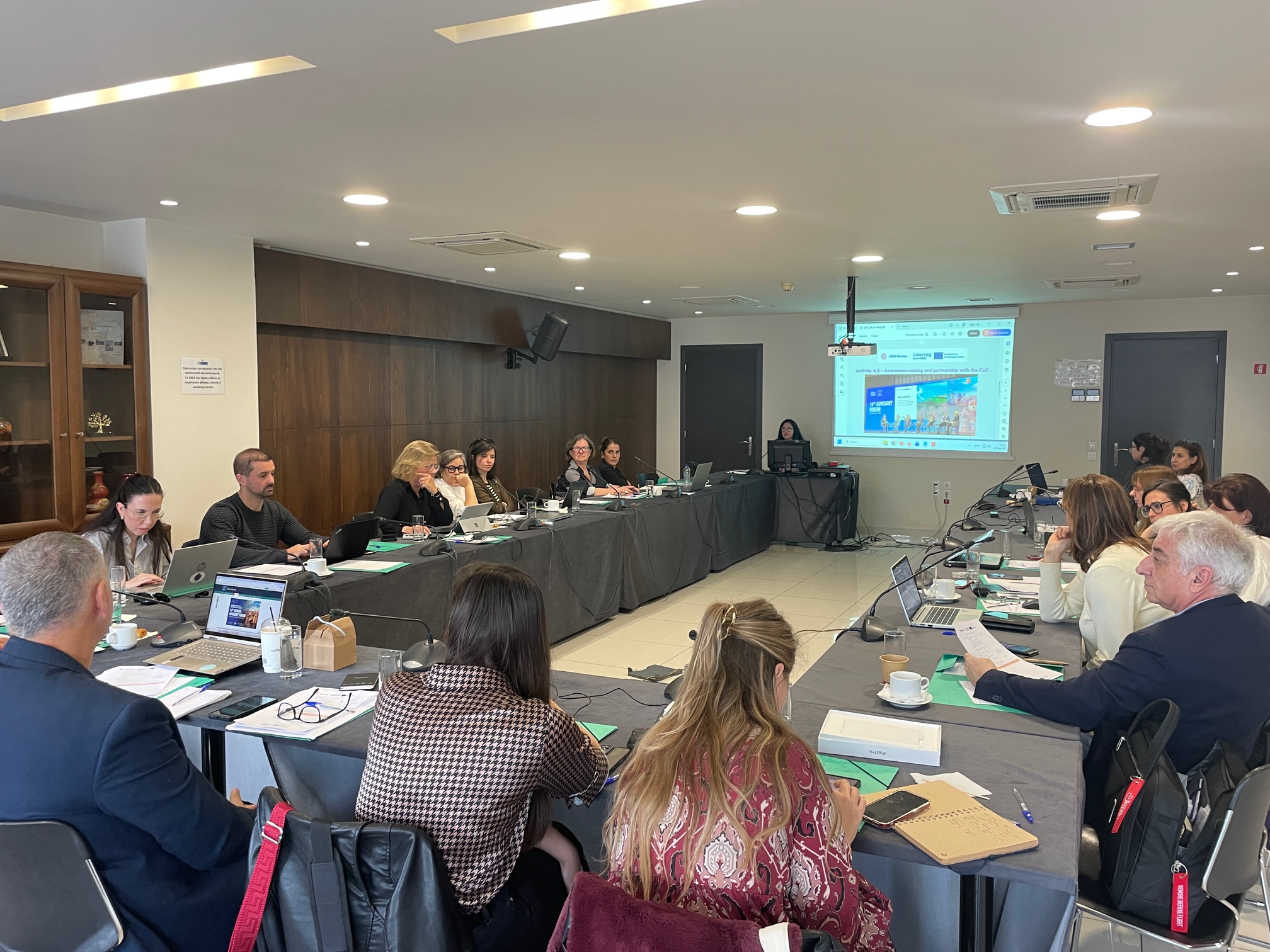
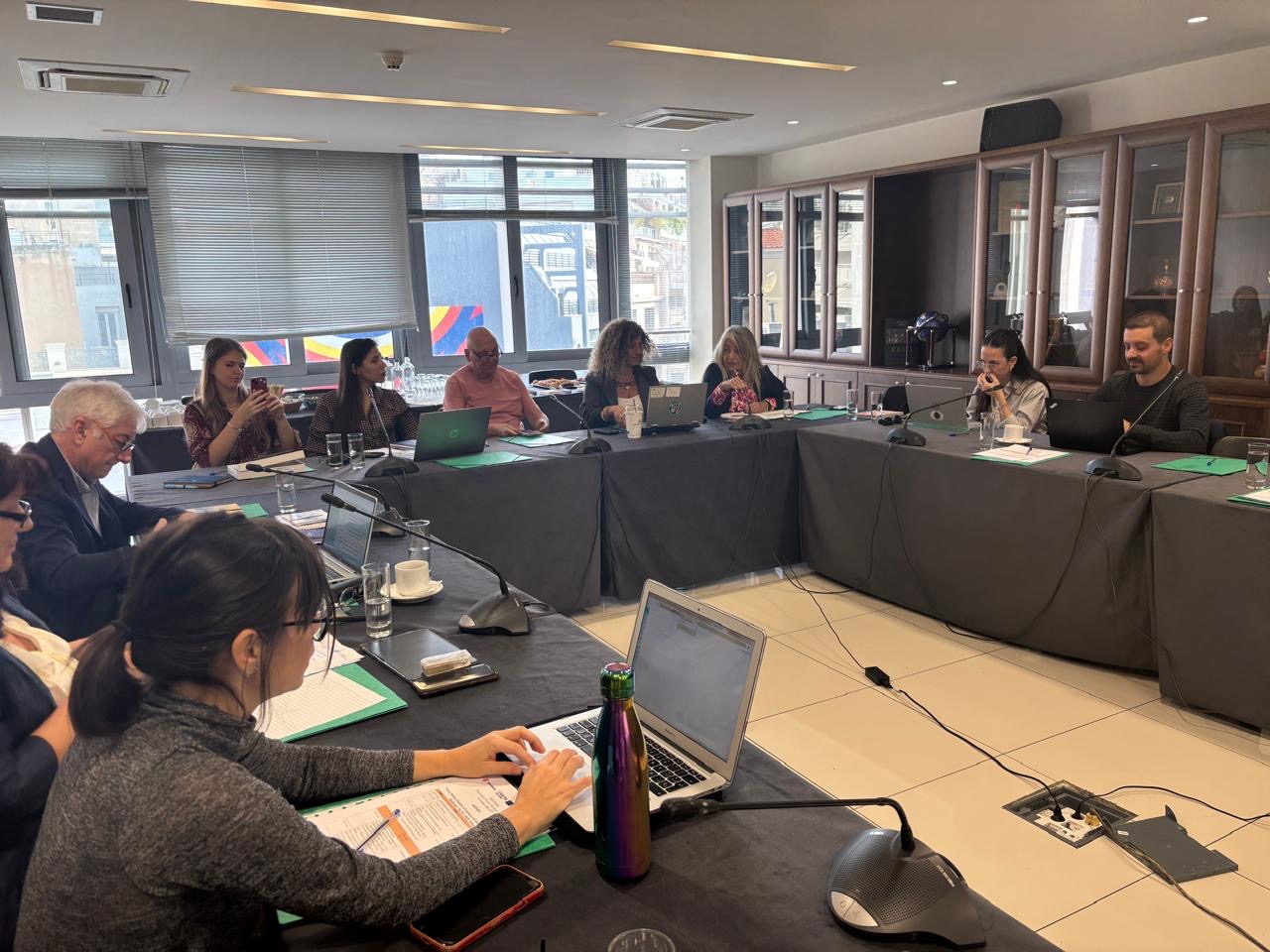
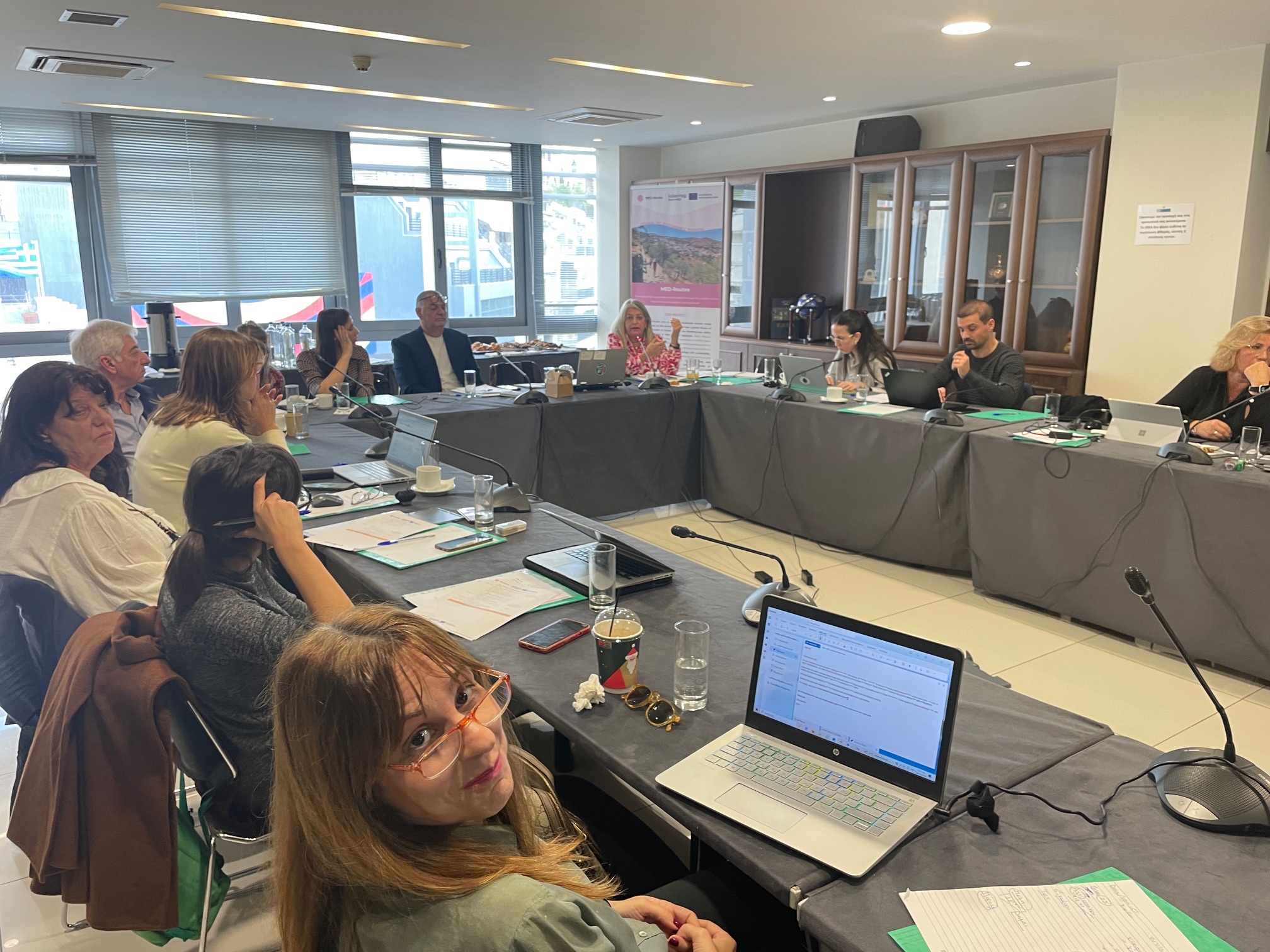
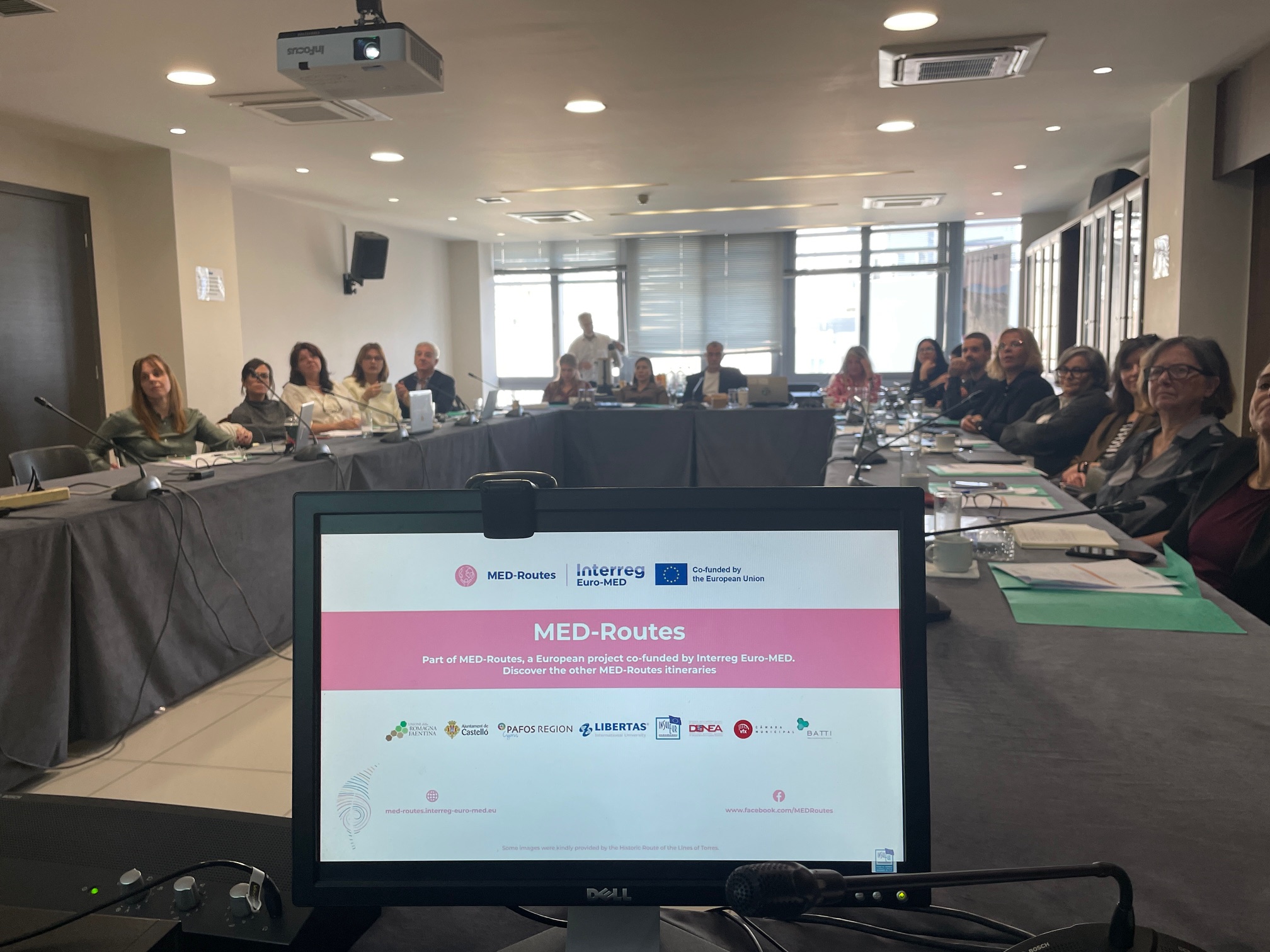
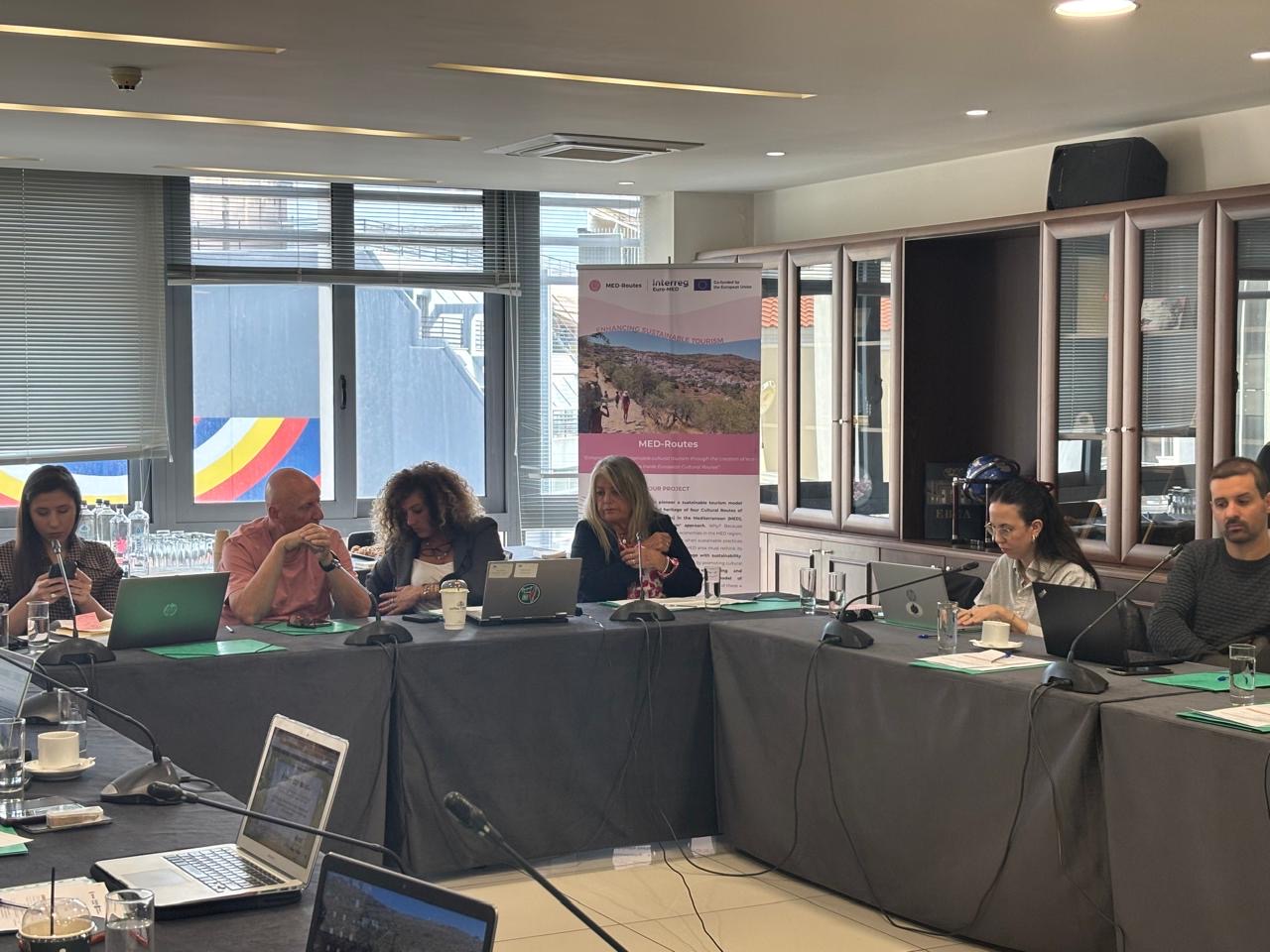
On November 22, 2025, the Athens Chamber of Commerce and Industry hosted the MED-Routes Forum to promote eco-routes from European Cultural Routes, an event dedicated to promoting sustainable tourism in the Mediterranean region. The Forum was organized within the framework of the Interreg Euro-MED MED-Routes project.
It brought together representatives of regional authorities, cultural route managers, and sustainability experts. Its objectives are in line with the strategic mission of MED-Routes: to promote eco-routes as models of responsible tourism, to strengthen cross-border cooperation and to reinforce the EU’s priorities for sustainability, inclusion, and innovation.
The MED-Routes Forum began with presentations focusing on sustainable mobility, community participation, and the strategic role of eco-routes in regional development. Speakers Giorgos Asonitis and Marinella Katsilieris emphasized how these new tourism models can strengthen local identity while aligning with broader European priorities.
Following an overview of the MED-Routes project presented by Irini Mikeli (INSULEUR), two eco-routes developed in Greece and Croatia were presented. The first, “The Odyssey of the Olive Tree in Messinia,” a route that connects rural landscapes, organic olive cultivation, cultural heritage, and responsible tourism, was presented by Francesca Maimone, collaborator of the cultural Foundation ” Routes of the Olive Tree,” that showed how locations in Kalamata, Western Mani, and Pylos form a holistic experience focused on sustainability, slow mobility, and authentic local encounters.
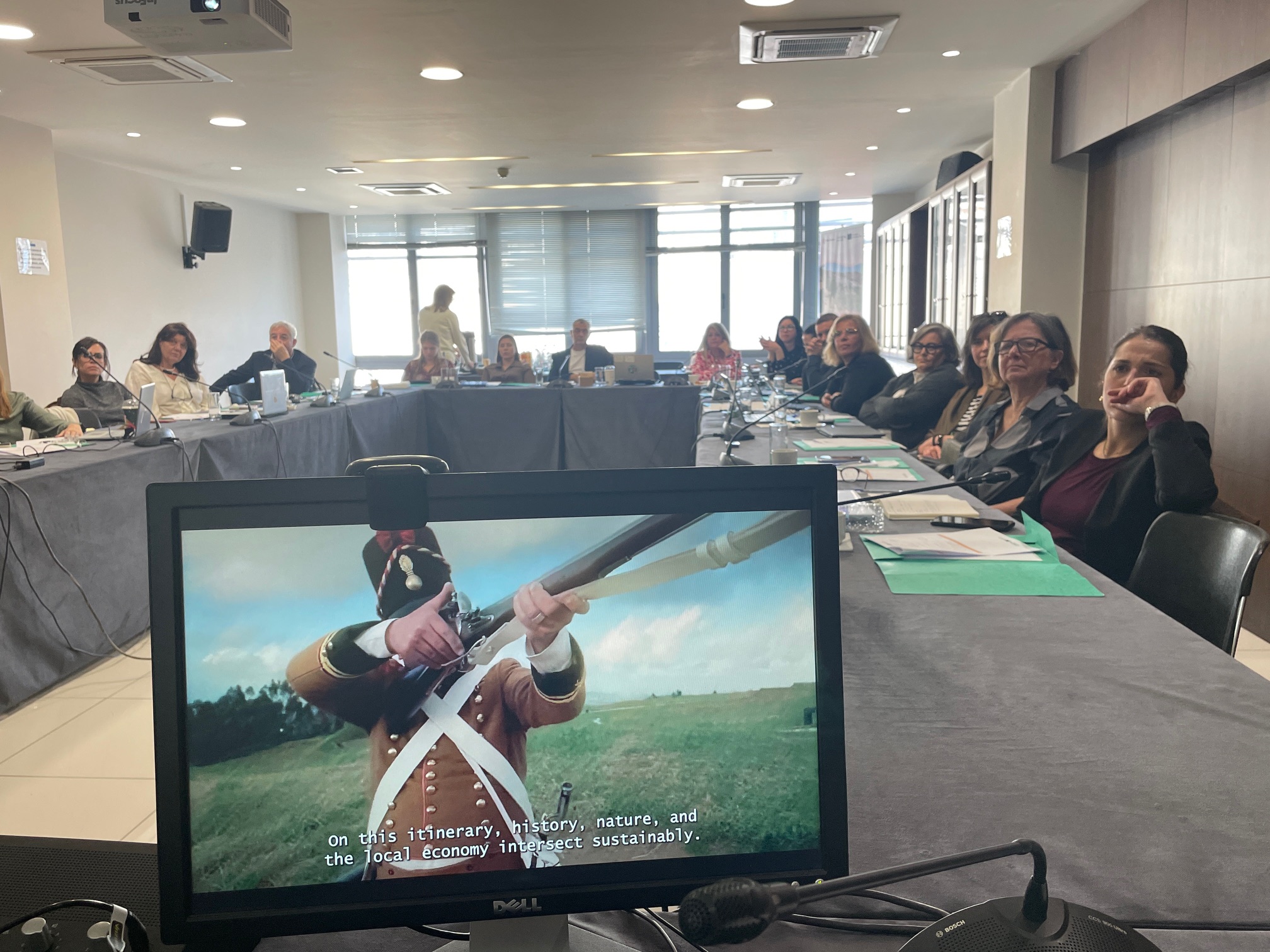
This was followed by a proposal from DUNEA, by Stepjan Rezo, who presented the route “From warriors to guardians: the legacy of resilience in the Adriatic,” which highlights the region’s heritage related to the olive tree through stories of resilience and the connection of traditional landscapes with contemporary sustainable practices. The Croatian route complements the Messinian one, reflecting common Mediterranean values and the added impact of cross-border cooperation.
Overall, the Forum demonstrated how eco-routes can be powerful tools for promoting sustainable tourism, protecting cultural and natural heritage, encouraging responsible visitor behavior, and stimulating local economies through innovation. Both routes are examples of how Cultural Routes can evolve into dynamic, sustainable platforms for development and promote a common Mediterranean vision, where nature, culture, and communities move together towards a greener and more resilient future.
For more information and to see the interactive maps and video visit the official website